
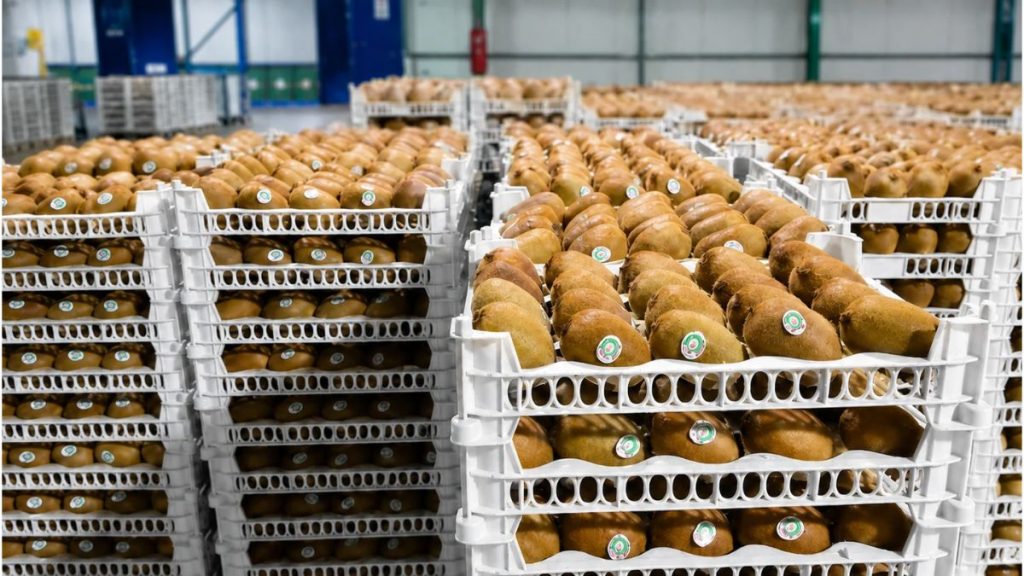
Hayward kiwi is one of the most widely traded green kiwi varieties, but buying it for wholesale or import is not simply a matter of comparing price per kilogram. Fruit size, average weight, Brix, firmness, harvest timing, packing method and cold-chain conditions can all affect how the shipment performs after arrival. This guide is designed for importers, wholesalers and produce buyers who want to compare offers more accurately, reduce quality disputes and order Hayward kiwi with clearer commercial specifications.
What Should You Check Before Buying Hayward Kiwi?
Before buying Hayward kiwi in commercial quantities, start with the basics that directly affect the value of the shipment: fruit size, average weight, firmness, Brix, external appearance, packing type and expected transit time. A low price per kilogram can be misleading if the fruit is too small, too soft or packed in a way that does not suit your market. Ask the supplier to confirm the origin, harvest period, grading standard and net carton weight, and request recent photos or videos from the actual lot whenever possible. For longer-distance shipments, firmness and cold-chain handling are especially important because fruit that looks good at loading can arrive too soft if it has already advanced too far in ripening. Buyers looking for export-ready Iranian fruit can also review our Iranian fresh kiwi specifications before requesting a quotation.
Which Hayward Kiwi Size Is Right for Your Market?
Hayward kiwi is commonly sold by count or size grade, and the right choice depends on how the fruit will be sold after arrival. Larger fruit generally works well for premium retail displays and individual sale, while medium sizes are often easier for wholesalers and supermarkets to move because they offer a better balance between appearance, portion size and price. Smaller sizes can be suitable for price-sensitive markets, foodservice or buyers purchasing mainly by weight. Do not rely on a size number alone, because grading systems can vary between suppliers. Ask for the approximate grams per fruit, the permitted weight range and the expected count per carton so you can compare quotations on the same basis. Buyers comparing different grades can also browse our fresh kiwi category to see the available Iranian kiwi options.
How Fruit Weight Affects Size and Packing
Fruit weight helps buyers understand what a size grade actually means in practice. Two shipments may both be described with the same size number, but the average fruit weight can still differ if the supplier uses a different grading system or packing format. That is why it is better to ask for the average grams per fruit together with the count per carton and the net carton weight. This also makes it easier to estimate how many pieces the buyer is receiving and how the fruit will look in retail packs. For example, a carton filled with larger fruit may contain fewer pieces but create a more premium presentation, while smaller fruit can provide more units per carton and may suit markets where price per piece matters more than visual size.
What Brix Level Should You Ask For?
Brix is useful because it gives the buyer an indication of soluble solids and fruit maturity, but it should not be treated as a simple “higher is always better” number. Hayward kiwi intended for export is often shipped before it reaches its final eating sweetness so it can remain firm enough during transport and distribution. For that reason, buyers should ask when the Brix reading was taken, how the sample was selected and whether the fruit is expected to continue ripening after arrival. A Brix value makes much more sense when it is considered together with firmness, harvest timing and the expected transit period.
Why Firmness Matters During Shipping
Firmness is one of the most important specifications for Hayward kiwi that will travel through an international supply chain. Fruit that is already too soft at loading may lose too much firmness during transport, customs clearance and wholesale distribution, even if its appearance is good when it leaves the packing house. On the other hand, extremely hard fruit may need more time to ripen before it is suitable for retail. Buyers should therefore ask the supplier for a recent firmness measurement from the actual lot and consider it together with Brix, harvest date, transit time and the expected selling period after arrival. This gives a much clearer indication of whether the fruit is suitable for the intended market than descriptions such as “hard kiwi” or “export quality.”
Early-Harvest vs Later-Harvest Hayward Kiwi
Harvest timing can make a noticeable difference in how Hayward kiwi performs after shipping. Fruit picked too early may have enough firmness for transport but can struggle to develop the flavor, sweetness and texture buyers expect at retail, while later-harvest fruit can offer better eating quality but may have less tolerance for a long supply chain if it has already started to soften. The right choice depends on destination, transit time and how quickly the fruit will be sold after arrival. A useful FreshPlaza report on early-harvest kiwi also highlights the higher quality and storage risks associated with harvesting Hayward too soon, which is why buyers should evaluate harvest timing together with Brix and firmness rather than asking for the earliest available shipment. “` :chatgpt-content-reference{index=”0″}
How to Check Kiwi Quality Before Loading
Before loading, quality should be checked from several cartons taken from different parts of the lot rather than from one carefully selected box. Look for consistency in fruit size, shape, skin condition and firmness, and check for bruising, soft spots, shriveling, cuts, decay or excessive surface damage. It is also useful to weigh a sample of individual fruits and confirm the average carton net weight so the actual shipment matches the agreed specification. Buyers should request recent photos or video from the packing line and, for larger orders, ask for a simple pre-shipment inspection report showing size range, average fruit weight, Brix, firmness and visible defect rate.
Common Defects Buyers Should Watch For
Common quality problems in Hayward kiwi include bruising, soft spots, shriveling, skin cuts, decay, misshapen fruit and excessive variation in size within the same carton. Buyers should also watch for fruit that feels unusually soft compared with the rest of the lot, as this can indicate uneven maturity or poor handling before packing. Minor surface marks may be commercially acceptable depending on the agreed grade, but defects that affect firmness, shelf life or internal quality can create problems after arrival. The safest approach is to define acceptable tolerances before shipment and ask the supplier to show representative cartons rather than only the best-looking fruit.
Best Packing Options for Hayward Kiwi
Packing choice should match both the destination market and the length of the supply chain. Tray-packed Hayward kiwi gives better separation between fruits and can reduce pressure damage, making it suitable for premium retail or longer transport where presentation matters. Bulk cartons are usually more cost-efficient and can work well for wholesale markets, but they require good grading and careful handling to avoid bruising. Buyers should confirm the carton material, ventilation, net weight, number of layers and whether the fruit is packed in trays, liners or loose format. The best option is not always the most expensive one; it is the packing format that protects the fruit well enough for the expected transit, storage and distribution conditions.
Cold Storage and Transport Requirements
Hayward kiwi should move through the supply chain under a stable cold chain, because temperature fluctuations can accelerate softening and shorten the commercial life of the fruit. For long-distance transport, storage close to 0°C with high relative humidity, generally around 90–95%, is commonly used to slow moisture loss and ripening. Buyers should also ask how quickly the fruit is pre-cooled after packing, whether temperature is monitored during transport and whether the shipment is kept away from ethylene-producing produce, since kiwi is highly sensitive to ethylene and can soften faster when exposed to it. For container shipments, consistent temperature control from packing house to destination is often more important than simply having a low temperature at the start of loading.
What to Include in Your Purchase Specification
A clear purchase specification should remove as much ambiguity as possible before the order is confirmed. Include the variety, country of origin, quality grade, size or weight range, Brix target, firmness requirement, carton net weight, packing format and total quantity. It is also useful to define acceptable defect tolerances, loading date, required documents, Incoterm and destination point. For longer shipments, add cold-chain requirements and ask whether temperature records can be provided. The more precise the specification is, the easier it becomes to compare suppliers fairly and resolve any quality issue if the delivered fruit does not match what was agreed.
Example Hayward Kiwi RFQ for Importers
A practical RFQ should give the supplier enough detail to quote the same specification you actually intend to buy. Instead of asking only for “Hayward kiwi price,” include the commercial details that affect quality, packing and logistics. A simple RFQ can look like this:
- Product: Fresh Hayward kiwi
- Origin: Iran
- Required size: Specify count or fruit weight range
- Quality grade: Specify required grade
- Brix: Supplier to confirm current reading
- Firmness: Supplier to provide recent measurement
- Packing: Tray-packed or bulk carton
- Net carton weight: Specify required weight
- Quantity: Specify pallets, tons or container quantity
- Destination: City, port or border point
- Incoterm: EXW, FOB, CFR, CIF or other agreed term
- Loading period: Preferred shipment date
- Documents: Phytosanitary certificate, certificate of origin and any destination-specific documents
Sending this information from the beginning makes quotations easier to compare and reduces the risk of receiving offers based on different grades, sizes or packing formats.
Buying Iranian Hayward Kiwi from IranFoodstuff
Iranian Hayward kiwi is available for buyers who need commercial quantities for wholesale, retail distribution or import. IranFoodstuff can help you source fruit based on the size, weight range, packing format and destination requirements of your market, rather than offering a one-size-fits-all shipment. Before requesting a quotation, prepare your required quantity, preferred fruit size, packing type, destination and expected loading period. You can also review our Iranian fresh kiwi page and send us your specification for a current offer.
Looking for Iranian Hayward Kiwi?
Send us your required size, packing type, quantity and destination. We can help you source Iranian Hayward kiwi based on your market and shipment requirements.
Request a Quote